When Is the Best Time to Prune Trees in Northern Beaches?
Timing matters when it comes to tree pruning. Learn the best seasons to prune different tree species on the Northern Beaches, when to avoid pruning, and how seasonal timing affects tree health, recovery, and your property's appearance.
Affordable Tree Services Northern Beaches
9 min read

Key Takeaways
- Late winter to early spring (July-September) is the best time for most deciduous tree pruning
- Native Australian species like eucalyptus are best pruned in autumn (March-May)
- Dead or hazardous branches can and should be removed at any time of year
- Avoid heavy pruning during peak summer heat — it stresses trees and slows recovery
- Spring-flowering trees should be pruned immediately after flowering finishes
- Pre-storm season pruning (September-October) reduces wind damage risk
- Young trees benefit from formative pruning in their first 3-5 years regardless of season
Why Pruning Timing Matters for Tree Health
Pruning is one of the most important maintenance tasks for keeping trees healthy, safe, and looking their best. But timing your pruning correctly can make the difference between a tree that recovers quickly and thrives, and one that struggles with stress, disease, or poor regrowth.
On the Northern Beaches, our mild coastal climate means many tree species grow actively for most of the year. This extended growing season affects how trees respond to pruning at different times. Species that go fully dormant in colder climates may only slow their growth here, while our native eucalyptus species follow seasonal patterns quite different from the deciduous trees more commonly associated with winter pruning.
Whether you are managing a sprawling garden in Frenchs Forest, maintaining streetside trees in Forestville, or caring for coastal-exposed specimens in Belrose, understanding when to prune — and when not to — will help you get the best results for your trees and your property.
Best Pruning Times by Season
Each season presents different opportunities and risks for tree pruning on the Northern Beaches. Here is a breakdown of what works best and what to avoid throughout the year.
Winter (June - August): Ideal for Most Deciduous Trees
Winter is widely regarded as the best time for major pruning work on deciduous trees. During winter dormancy, trees have shed their leaves, making the branch structure clearly visible. Sap flow is at its lowest, which means less stress on the tree and reduced risk of excessive bleeding from pruning cuts.
Winter pruning is particularly effective for:
- Structural pruning: Correcting poor branch angles, removing crossing branches, and establishing a strong framework
- Crown reduction: Reducing the overall size of a tree when it has outgrown its space
- Renovation pruning: Rejuvenating overgrown or neglected trees with significant corrective work
- Fruit tree pruning: Shaping fruit trees for better production and easier harvesting
On the Northern Beaches, our winters are mild compared to southern states, so trees may not go fully dormant. However, growth is significantly slower during June through August, making this still the best window for heavy pruning of deciduous species. The cooler temperatures also mean less risk of fungal infection entering fresh pruning wounds.
Spring (September - November): Best After Flowering
Spring is a busy season for tree growth on the Northern Beaches. Trees are putting out new shoots, flowers, and leaves, drawing heavily on stored energy reserves. Heavy pruning during early spring can interrupt this critical growth phase, so it is generally best to wait until after flowering has finished for spring-blooming species.
Spring pruning is ideal for:
- Spring-flowering trees: Prune immediately after they finish blooming to avoid removing next year's flower buds
- Formative pruning on young trees: Guide the shape and structure of newly planted or establishing trees
- Light maintenance pruning: Tidying up after winter, removing any frost-damaged or wind-damaged growth
- Pre-storm season preparation: Thinning canopies to reduce wind resistance before the October to March storm season
Late spring (October to November) is also an excellent time for pre-storm pruning. Reducing canopy density before the storm season significantly decreases the risk of wind damage. Read more about storm preparation in our guide to preparing your trees for storm season.
Summer (December - February): Light Maintenance Only
Summer on the Northern Beaches brings heat, humidity, and active tree growth. This is generally not the best time for heavy pruning, as trees are under heat stress and pruning wounds are slower to heal in high temperatures. Freshly exposed bark and branch tissue can also suffer sun scald in the intense summer sun.
However, some summer pruning is appropriate:
- Deadwood removal: Dead branches can and should be removed at any time, and summer makes them easy to identify
- Water sprout removal: Vigorous upright shoots (water sprouts) that appear after earlier pruning can be removed to maintain shape
- Light tip pruning: Minor trimming to maintain hedges and shape
- Hazard reduction: Any branches posing an immediate safety risk should be addressed regardless of season
Avoid removing more than 15-20% of a tree's canopy during summer. Heavy summer pruning exposes inner bark and branches to sunburn and significantly stresses the tree during its most active growth period.
Autumn (March - May): Best for Native Australian Species
Autumn is an excellent pruning season on the Northern Beaches, particularly for native Australian species. As temperatures cool and growth begins to slow, trees can recover from pruning before entering the quieter winter months. The reduced insect and fungal activity in autumn also means lower risk of disease entering pruning wounds.
Autumn pruning is particularly suited to:
- Eucalyptus species: Autumn is the preferred pruning time for most eucalyptus, avoiding the peak sap flow of spring
- Native trees generally: Most Australian native species respond well to autumn pruning
- Crown thinning: Reducing canopy density to improve air circulation and light penetration
- Hedge and screen maintenance: Tidying up growth before winter
- Post-storm damage cleanup: Addressing any damage from the summer storm season
For Northern Beaches properties with significant native tree coverage — common in suburbs like Frenchs Forest, Forestville, and Belrose — autumn provides the best window for comprehensive pruning programmes.
Pruning Calendar for Common Northern Beaches Trees
Different tree species have different optimal pruning windows. The following calendar provides guidance for the most common species found on Northern Beaches properties.
Eucalyptus Species: Autumn (March - May)
Eucalyptus trees are best pruned in autumn when sap flow is declining. Avoid pruning eucalyptus in spring when sap pressure is highest, as this leads to excessive bleeding from cuts. Autumn pruning allows wounds to begin healing before winter and promotes strong new growth in the following spring. For detailed information on caring for eucalyptus and other local species, see our guide to popular Northern Beaches tree species.
Norfolk Island Pine: Late Winter (July - August)
Norfolk Island Pines are iconic on the Northern Beaches coastline. These trees should be pruned in late winter, focusing on removing dead or damaged branches and any growth that affects their symmetrical form. Norfolk Pines do not respond well to heavy pruning and should never be topped, as this permanently destroys their distinctive shape.
Jacaranda: Late Winter (July - August)
Jacarandas are best pruned in late winter before their spring flowering display. Pruning after flowering has finished (December to January) is also acceptable but less ideal. Avoid pruning jacarandas during their flowering period, as this removes the spectacular purple blooms they are valued for.
Frangipani: Late Winter When Dormant (July - August)
Frangipanis drop their leaves in winter and enter a dormant phase, making late winter the ideal time for pruning. Cuts made during dormancy heal cleanly and the milky sap bleeds less than during the growing season. Frangipanis are resilient and can be pruned quite hard if needed, with strong regrowth appearing once temperatures warm in spring.
Fruit Trees: Winter Dormancy (June - August)
Most deciduous fruit trees — including citrus, stone fruit, and apple varieties — are best pruned during their winter dormancy period. This allows you to see the branch structure clearly and shape the tree for optimal fruit production. Citrus trees, which are evergreen, can be lightly pruned after fruiting, typically in late winter to early spring.
Palm Trees: Any Time, but Spring Preferred
Palm trees can technically be cleaned and pruned at any time of year, as they do not have the same seasonal growth patterns as broadleaf trees. However, spring is generally preferred because it removes the old fronds before the summer growth flush and prevents seed drop during the warmer months. For more on palm maintenance costs and options, see our palm tree removal cost guide.
When NOT to Prune Your Trees
Knowing when to avoid pruning is just as important as knowing the best time to prune. Pruning at the wrong time can weaken trees, invite disease, and reduce flowering and fruiting.
During Peak Summer Heat
The hottest days of a Northern Beaches summer (typically late January and February) are the worst time for major pruning. Trees are already stressed by heat and high water demand. Removing significant canopy at this time compounds the stress, and exposed branches and bark can suffer severe sun scald. Limit any summer pruning to dead wood removal and minor maintenance.
During Active Disease Spread
Some tree diseases spread more readily during certain seasons. Fungal pathogens, for example, are most active in warm, humid conditions — exactly the conditions common on the Northern Beaches from October through March. If your trees show signs of fungal infection, avoid pruning during wet, humid weather as this can spread spores to fresh wounds and accelerate the disease throughout the tree.
During Nesting Season
Australian native birds nest in trees throughout the Northern Beaches, and it is both illegal and unethical to disturb active nests. The main nesting season runs from August through January, with some species nesting as late as March. Before pruning, always check the canopy for signs of nesting activity. If active nests are found, delay pruning until the young birds have fledged. This is particularly relevant in tree-heavy suburbs like Frenchs Forest and Forestville, where native bird populations are abundant.
Before or During Extreme Weather
Avoid pruning immediately before expected storms, heavy rain, or extreme heat events. Freshly pruned trees with open wounds are more vulnerable to wind damage, waterlogging, and heat stress. If a storm is forecast, it is better to wait until after it passes and then address any damage, rather than trying to prune preventatively at the last minute.
Signs Your Tree Needs Pruning Now (Regardless of Season)
While timing your pruning for the optimal season is always preferable, some situations require immediate attention no matter what month it is. If you notice any of the following, do not wait for the ideal pruning window — call a professional arborist promptly.
Dead or Hazardous Branches
Dead branches can fall without warning, posing a serious risk to people, vehicles, and structures below. If you spot dead limbs in your tree's canopy — identifiable by their lack of leaves, brittle bark, and tendency to snap rather than flex — have them removed as soon as possible. Dead wood removal is safe and appropriate at any time of year.
Storm Damage
After a storm, trees may be left with broken, hanging, or split branches that need to be removed urgently. Damaged limbs that are still partially attached to the tree are particularly dangerous, as they can fall unpredictably. Our professional pruning team can safely address storm damage whenever it occurs.
Structural Issues
Trees with included bark unions (where two trunks or major limbs press together without forming a strong union), severely leaning branches, or cracks in major limbs need structural attention regardless of the season. These issues worsen over time and present increasing risk with each passing storm. An arborist assessment can determine the urgency and recommend the best course of action.
Clearance Problems
Branches encroaching on power lines, blocking footpaths, obstructing driveways, or scraping against buildings should be pruned promptly. These situations create ongoing risk and potential liability issues. Note that work near power lines must only be carried out by appropriately qualified and accredited arborists.
If you are unsure whether your trees need urgent attention, call us on 0425 350 004 for advice. We are happy to discuss your situation over the phone and arrange an on-site inspection if needed.
Professional vs DIY Pruning: When to Call an Arborist
Some pruning tasks are suitable for handy homeowners, while others absolutely require professional expertise and equipment.
Tasks Suitable for DIY
- Pruning small branches (under 5cm diameter) on trees you can reach from the ground
- Light hedge trimming and shaping
- Removing small dead twigs and suckers from the base of trees
- Tip pruning shrubs and small ornamental trees
When to Call a Professional Arborist
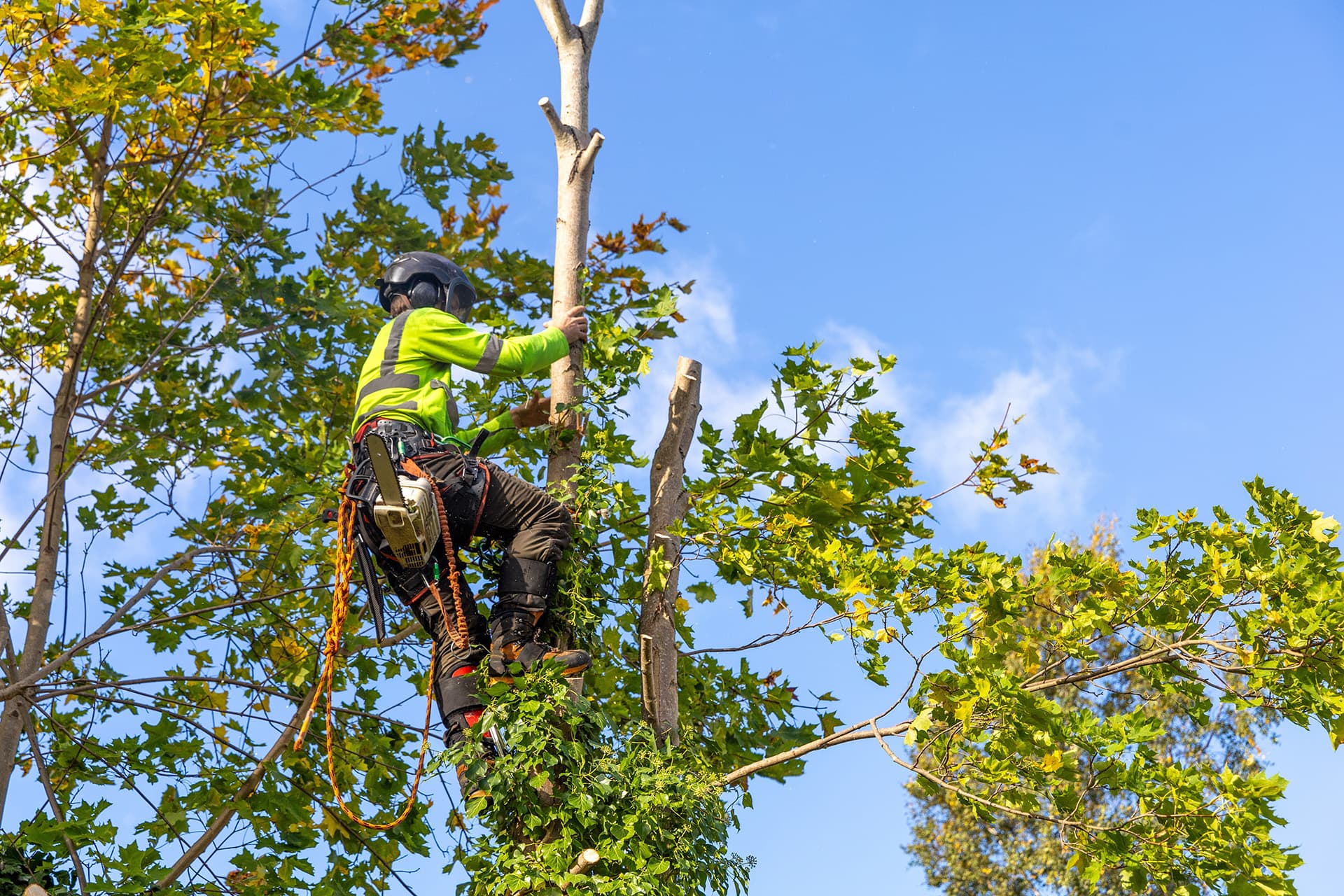
- Any pruning that requires climbing or working at height
- Branches over 5cm in diameter or above 3 metres
- Trees near power lines (legally requires qualified arborists)
- Large or mature trees of any species
- Structural pruning to correct poor branch architecture
- Trees showing signs of disease, decay, or structural weakness
- Council-protected trees (incorrect pruning can result in fines)
- Any work involving chainsaws above ground level
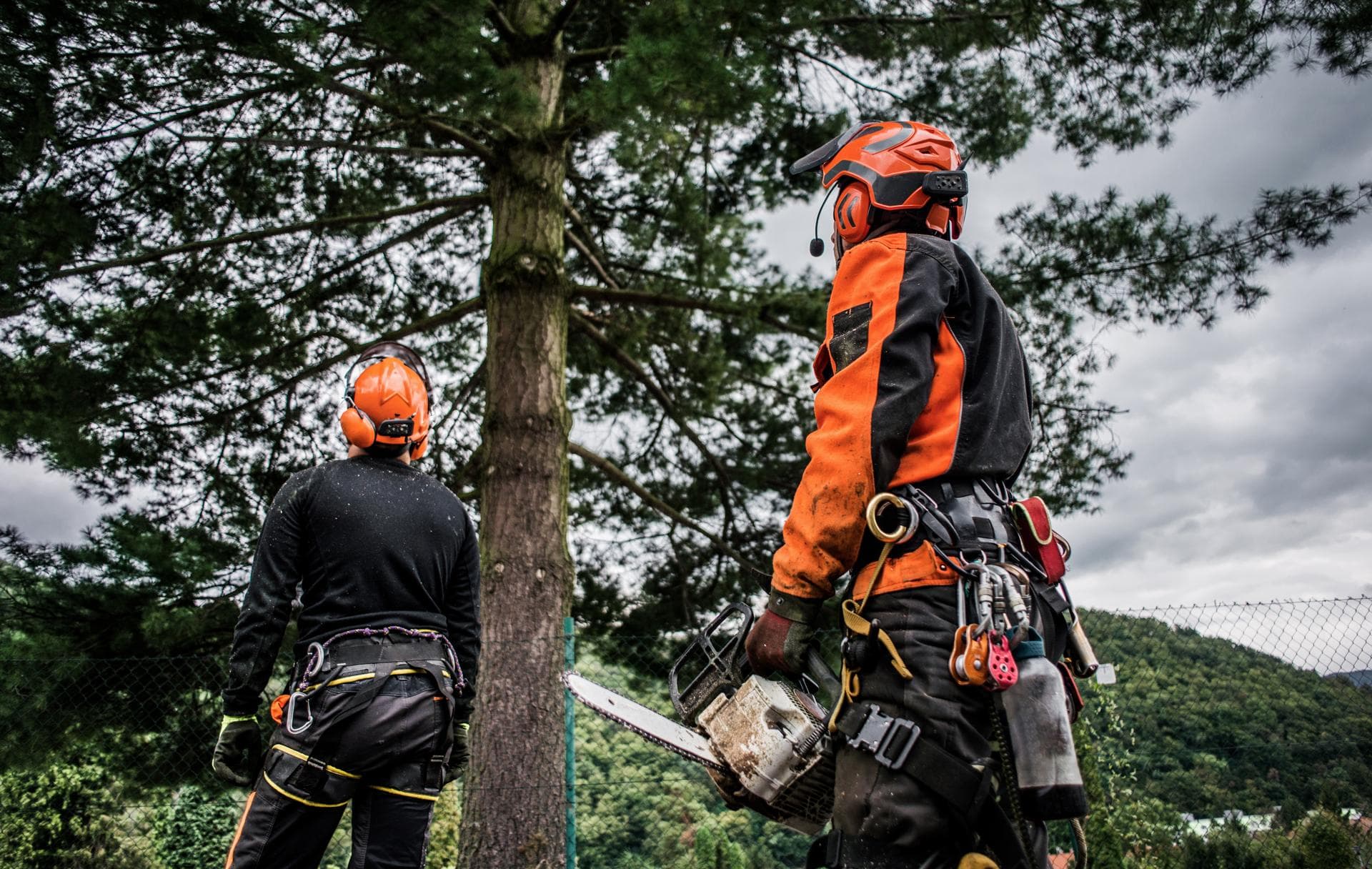
Professional arborists understand species-specific pruning requirements, carry appropriate insurance, and have the equipment to work safely at height. For a deeper comparison, read our guide on DIY vs professional tree services. You can also learn more about our tree pruning services and tree lopping services for the Northern Beaches.
Frequently Asked Questions About Tree Pruning Timing
What is the best month to prune trees on the Northern Beaches?
For most deciduous trees, July and August are the best months for pruning, as trees are dormant and the branch structure is clearly visible. For native Australian species including eucalyptus, March through May (autumn) is generally the best period. The ideal timing depends on the specific species, so if you are unsure, contact our arborists for advice tailored to your trees.
Can I prune trees in summer on the Northern Beaches?
Light summer pruning is acceptable for removing dead wood, water sprouts, and minor maintenance. However, heavy pruning should be avoided during the hottest months (December to February), as it stresses trees and can lead to sun scald on newly exposed bark. If significant pruning is needed, it is better to wait until autumn or winter.
When should I prune eucalyptus trees?
Eucalyptus species are best pruned in autumn (March to May) when sap flow is declining. Avoid pruning eucalyptus in spring, as the high sap pressure causes excessive bleeding from cuts. Light dead wood removal can be done at any time of year.
Is it OK to prune trees in winter in Sydney?
Winter is an excellent time to prune most deciduous trees in Sydney and the Northern Beaches. The mild Sydney winter means trees may not go fully dormant, but growth is slow enough that winter pruning works well for structural work, crown reduction, and renovation pruning. Native evergreen species are better pruned in autumn.
How often should trees be pruned?
Most mature trees benefit from professional pruning every three to five years. Younger trees may need formative pruning annually for their first five years to establish good structure. Fast-growing species and trees near structures or power lines may need more frequent attention. Palm trees typically need annual cleaning. A regular pruning schedule is more cost-effective than reactive pruning when problems arise.
Does pruning at the wrong time harm trees?
Pruning at the wrong time rarely kills a healthy tree outright, but it can cause significant stress, invite disease, reduce flowering and fruiting, and slow recovery. Trees pruned during peak summer heat may suffer sun scald and dieback. Eucalyptus pruned in spring may bleed sap excessively. Timing your pruning correctly gives the tree the best chance of a fast, healthy recovery.
Need your trees pruned at the right time? Call us on 0425 350 004 or request a free quote online. Our qualified arborists will recommend the best timing and approach for your specific trees and schedule the work for the optimal season.
Professional Tree Services Across the Northern Beaches
Our qualified arborists provide expert tree care throughout Sydney's Northern Beaches suburbs:
Affordable Tree Services Northern Beaches
Experienced Tree Professionals
Our experienced arborists have over 30 years of experience providing professional tree services across Sydney's Northern Beaches. We're committed to delivering safe, environmentally responsible, and high-quality tree solutions for residential and commercial properties throughout the Northern Beaches and surrounding suburbs.